Considering the importance of maintaining a clear separation of certified coffee, this document was developed based on procedures and information of this type, in order to establish adequate traceability of the product in the following sequence:
Harvesting: Under the supervision of producers and/or managers, the fruit is harvested at its optimal ripeness, avoiding green, dry, or half-ripe beans. The harvested coffee is placed in clean, suitable sacks or bags for transport to the harvesting or processing point.
The producer transports his coffee to the mill using his own vehicle.
Reception (1): The coffee is weighed in the field by producers for payment of wages. It is then transported by the producer's own vehicles to the processing plant or collection points, where it is separated into siphons or piles, identified as conventional and/or certified coffee.
Reception (2): At the receiving point, the fruit is inspected to verify that it meets the standards for certified coffee. It is then sealed, and a receipt is issued with the producer's name and the quantity of coffee delivered.
Pulping: Because the mill has a common pulping line, a separation is carried out by time and physical, allocating the pulpers for certified coffee, which is deposited in properly identified piles.
Fermentation: Due to the local conditions, the fermentation process lasts between 18 and 24 hours. After pulping, the coffee is placed in specific fermentation tanks, which are clearly documented for monitoring the process.
Coffee Washing: Certified coffee is washed in a system shared with conventional coffee, with a time-based separation to prevent the certified coffee from mixing with conventional coffee. The coffee is then spread out in separate batches on patios for a pre-drying or drying process.
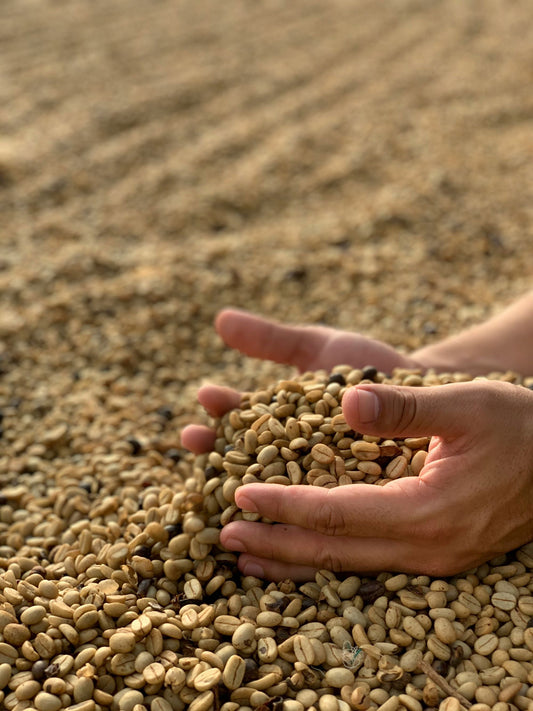
Bean Drying: Coffee can be dried in patios when loads are less than 100 quintals of dry parchment coffee, using mobile signs for identification and separation. Another option is drying in guardiolas, where proper separation is maintained, even if there are no specific guardiolas for certified coffee. Drying in guardiolas occurs when loads reach 100 quintals or more of parchment coffee, or if two certified batches can be combined to complete the load.
Storage: Dried coffee is weighed, packed in jute sacks provided by the exporter, and placed in a space in the warehouse clearly identified with the lot or batch number using labels or tags.
Shipping: Batches are packaged to make coffee transportation more cost-effective, or based on the weight capacity of the shipment. Only certified coffee is shipped in each batch.